

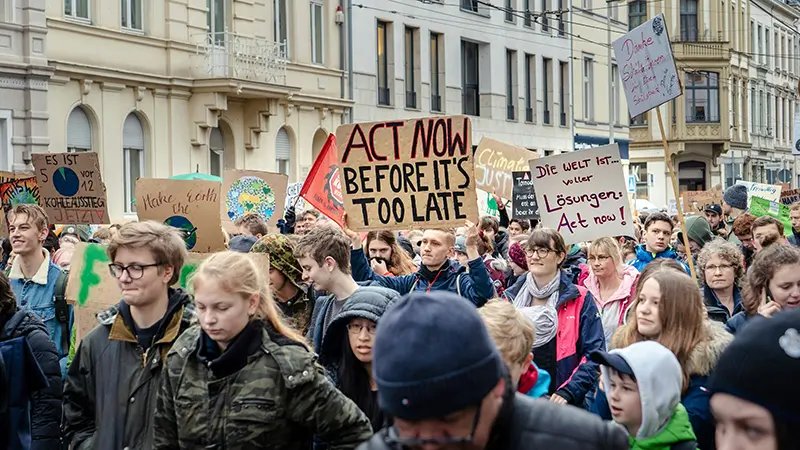
On September 1, 2024, approximately 10,000 hotel workers initiated a significant strike across 25 hotels in eight major U.S. cities. This labor action coincides with the busy Labor Day weekend, significantly impacting the hospitality industry and drawing national attention to workers’ rights.
Reasons Behind the Strike
The hotel workers, organized under various unions, are striking mainly due to demands for better wages, improved working conditions, and enhanced job security. Many employees expressed frustration with increasingly demanding workloads without corresponding pay increases, making their plight more visible at a time when travel and tourism are surging.
Workers voiced that despite the industry’s recovery post-pandemic, their compensation has not kept pace with rising living costs. Striking union representatives emphasize the need for fair wages and adequate staffing levels to ensure both employee and guest satisfaction.
Locations Affected by the Strike
This strike has spread to numerous cities, including:
- Los Angeles
- Chicago
- New York City
- Las Vegas
- San Francisco
- Seattle
- Miami
- Washington, D.C.
Hotels in these locations have seen varying degrees of operational disruption as workers walk off the job. In cities like Chicago and New York, the impact is particularly pronounced, with many popular tourist hotels and venues closed or offering limited service.
Union Response and Negotiations
Labor unions representing the striking workers have indicated that they are prepared to fight until their demands are met. Negotiations between union leaders and hotel management have been ongoing, but as of now, no agreement has been reached. Union representatives remain optimistic about their chances, leveraging public support and awareness to strengthen their position.
Public Reaction and Solidarity
The strike has garnered widespread public attention and support from various quarters, with many advocating for fair labor practices in the hospitality sector. Activists and local communities are rallying to support hotel workers, emphasizing the importance of labor rights in ensuring a fair workplace.
Social media platforms have also played a significant role in amplifying the workers’ message. Hashtags related to the strike have gone viral, helping to spread awareness and rally support across the nation.
Impact on the Hospitality Industry
This strike is poised to have a profound impact on the hospitality industry, particularly during the Labor Day weekend, which is typically one of the busiest times for hotels and travel. Many travelers may experience disruptions, including canceled reservations and limited services.
Industry analysts are closely watching the situation, as prolonged strikes could lead to significant financial losses for affected hotels, especially those that depend heavily on events and tourism. The ongoing negotiations will likely dictate the future landscape of labor relations in the hospitality sector.
Conclusion
As the strike continues, the spotlight remains on the hotel workers fighting for their rights and better conditions in the workplace. With the eyes of the nation on them, these workers hope to achieve a resolution that not only addresses their immediate needs but also sets a precedent for fair labor practices in the hospitality industry.
For more information on labor rights and hotel worker strikes, visit Labor Relations and Hospitality News.