

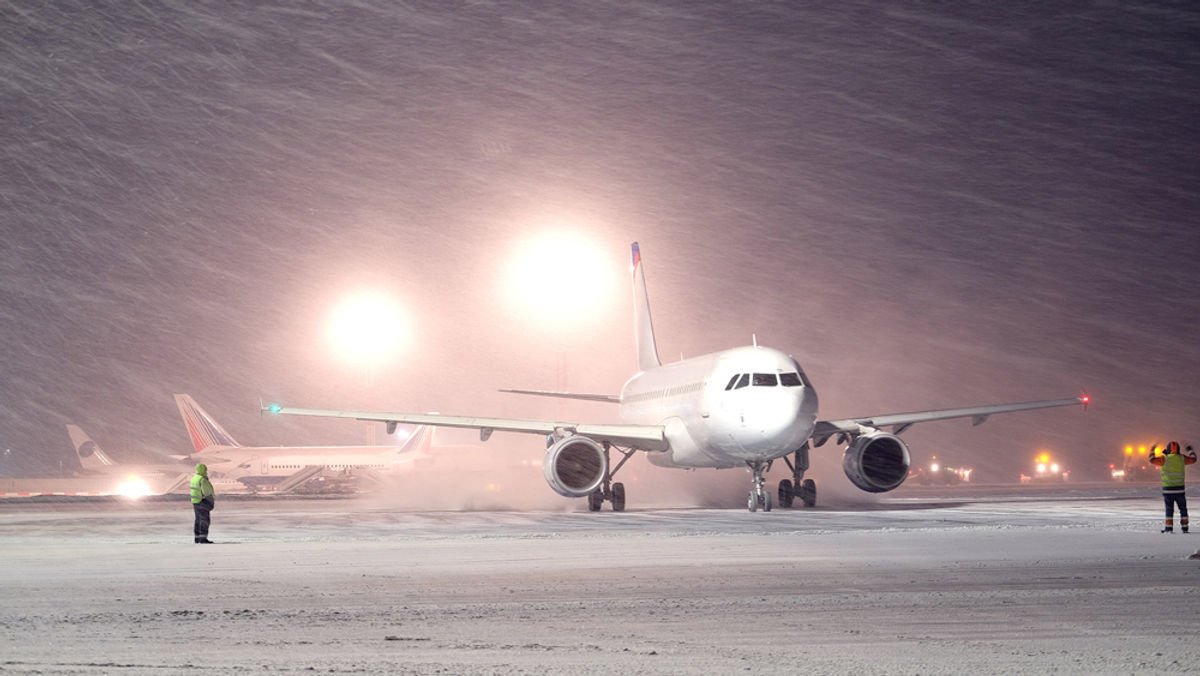
Canadian Airport Travel Disruptions Soar Amid Severe Winter Storm
A sweeping winter storm has thrown air travel into chaos across Canada, with Canadian airport travel disruptions reaching unprecedented levels at the country’s busiest aviation hubs. Toronto Pearson International Airport and Montréal–Trudeau International Airport are bearing the brunt of severe weather conditions that have created a perfect storm of operational challenges, leaving thousands of passengers stranded and airlines scrambling to manage cascading delays and cancellations.
Profound Impact at Toronto Pearson International Airport
The Canadian airport travel disruptions are most pronounced at Toronto Pearson, Canada’s largest and busiest airport, which handles over 50 million passengers annually. The convergence of freezing rain, high winds, and near-zero visibility has created formidable challenges that have brought normal operations to a crawl. Environment Canada issued a severe wind alert for the Greater Toronto Area, projecting sustained gusts between 70 to 90 km/h, with some areas experiencing even more intense conditions.
This meteorological cocktail of fog, mixed precipitation, and blustery winds has rendered flight operations extremely hazardous. De-icing procedures, typically completed within 15-20 minutes under normal conditions, are now taking upwards of an hour per aircraft. The airport’s four runways have been operating at reduced capacity, with only two remaining fully operational during peak storm conditions.
Airport officials at Toronto Pearson have implemented comprehensive contingency measures, including extending terminal hours and deploying additional ground crews. Passengers are being advised to expect delays exceeding four hours and to prepare for potential overnight stays. The airport’s customer service teams have distributed blankets, water, and meal vouchers to affected travelers, while working around the clock to maintain clear communication channels.
Montréal–Trudeau Faces Icy Conditions
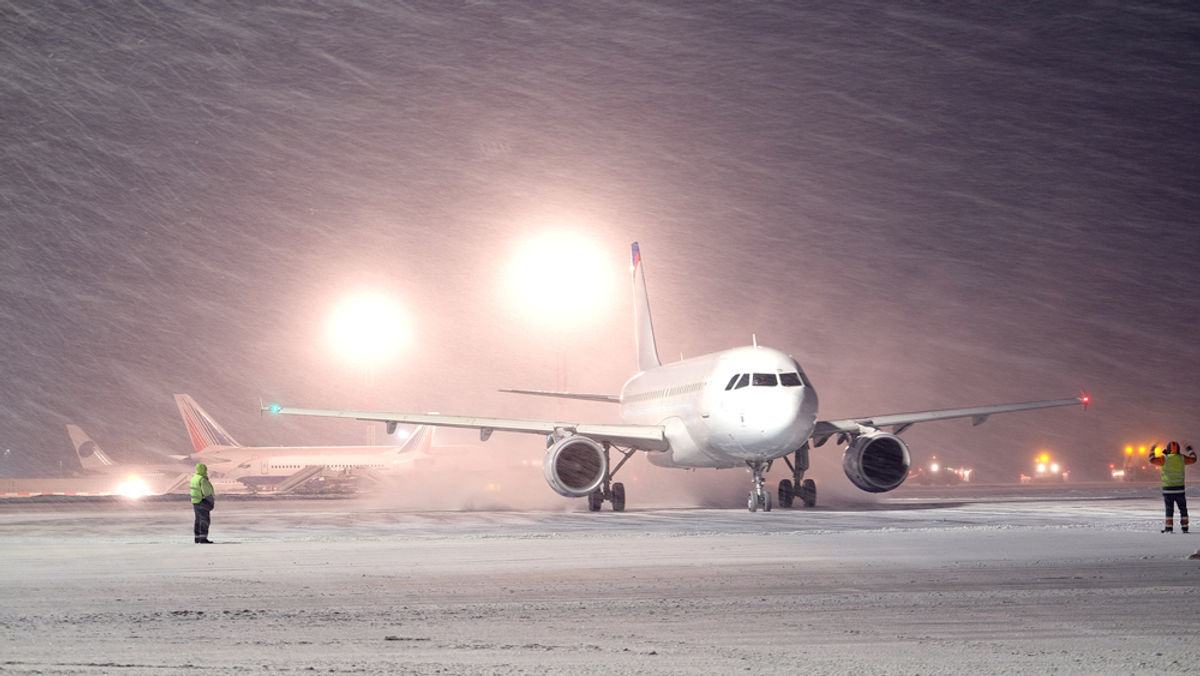
In Montréal, the storm’s impact has been equally devastating, with freezing rain and ice pellets creating treacherous conditions that have pushed airport operations to their limits. Montréal–Trudeau International Airport, Canada’s third-busiest airport, has recorded average departure delays of 90 minutes, with some flights experiencing delays exceeding five hours. The airport’s specialized ice removal equipment has been working continuously, but the persistent precipitation has made maintaining clear runways an ongoing battle.
The airport’s two primary runways have been alternating between operational and maintenance status as crews work to remove accumulated ice and apply anti-icing treatments. This rotating closure system, while necessary for safety, has significantly reduced the airport’s capacity from its normal 60 movements per hour to just 20 during the worst conditions.
Montréal–Trudeau’s terminal facilities have been stretched to capacity as stranded passengers seek shelter and rebooking assistance. The airport has opened additional waiting areas and established temporary rest zones equipped with charging stations and WiFi access. Local hotels have reported full occupancy as travelers seek alternative accommodation, with some passengers facing wait times of up to 72 hours for available flights.
Broad Challenges for the Aviation Sector
The current crisis highlights the broader vulnerabilities within Canada’s aviation infrastructure when confronted with extreme weather events. Industry experts note that Toronto Pearson delays and similar disruptions at other major hubs create a domino effect that impacts air travel across North America. The interconnected nature of modern airline networks means that delays in Toronto and Montréal ripple through the system, affecting connections to destinations as far away as Vancouver, Halifax, and international cities.
Canadian airlines collectively operate over 1,500 daily flights through these two airports alone, representing approximately 40% of the country’s total air traffic volume. When weather forces significant reductions in capacity, the backlog can take days or even weeks to fully resolve, particularly during peak travel seasons when spare aircraft and crew resources are limited.
The economic implications extend far beyond the aviation sector. Business travelers unable to reach critical meetings, tourists missing cruise departures, and cargo shipments facing delays all contribute to broader economic disruptions. Industry analysts estimate that severe weather-related disruptions at major Canadian airports can cost the economy upwards of $50 million per day in lost productivity and additional expenses.
Air Canada’s Comprehensive Response Strategy
Air Canada, which operates approximately 45% of all flights at Toronto Pearson and 35% at Montréal–Trudeau, has implemented its most comprehensive weather response protocol. The airline’s operations center in Vancouver has been coordinating with meteorologists, ground crews, and air traffic control to optimize flight schedules and minimize passenger impact.
The carrier has introduced flexible rebooking policies that waive change fees for affected passengers, allowing unlimited modifications to travel dates within a two-week window. Additionally, Air Canada has deployed larger aircraft on key routes where possible and has arranged for additional ground transportation options, including chartered buses for passengers traveling to nearby cities.
Air Canada’s customer service teams have been reinforced with staff from other departments, and the airline has extended call center hours to provide 24/7 assistance. The company has also partnered with hotel chains to secure room blocks at reduced rates for stranded passengers, though availability remains extremely limited during the peak disruption period.
WestJet and Porter Airlines Respond to Crisis
Other major carriers serving the affected airports have implemented similar emergency protocols. WestJet has activated its irregular operations center and is utilizing spare aircraft from its Calgary and Vancouver bases to provide additional capacity once conditions improve. The airline has also suspended new bookings on heavily impacted routes to prevent further overbooking situations.
Porter Airlines, with its significant presence at Toronto’s Billy Bishop Airport, has been working to accommodate passengers diverted from Pearson. However, Billy Bishop’s island location and shorter runways have also faced challenges from the same weather system, limiting its ability to serve as an effective alternative.
Ground Transportation and Regional Impacts
The storm’s impact extends beyond air travel, with ground transportation networks also severely affected. Highway 401, a critical corridor connecting Toronto Pearson to downtown Toronto, has experienced multiple closures due to icy conditions and reduced visibility. The Union Pearson Express, a dedicated rail link between the airport and downtown, has been operating on a reduced schedule with extended travel times.
Regional airports across Ontario and Quebec have also felt the storm’s effects, with smaller facilities like Ottawa Macdonald-Cartier International Airport and Québec City Jean Lesage International Airport reporting significant delays. These secondary disruptions have complicated efforts to reroute passengers and aircraft around the worst-affected areas.
Proactive Measures and Traveler Recommendations
Aviation authorities and airport officials have emphasized the critical importance of passenger preparation and flexibility during severe weather events. The Canadian Transportation Agency has issued comprehensive guidelines for travelers, recommending that passengers check flight status at least four hours before scheduled departure and consider postponing non-essential travel until conditions improve.
Technology has become an essential tool for managing the crisis, with airports encouraging passengers to use mobile apps and real-time flight tracking services. Toronto Pearson’s app has recorded over 500,000 active users during the storm period, with passengers checking for updates every few minutes. The airport has also enhanced its social media presence, providing regular updates on Twitter and Facebook to keep travelers informed.
Travel insurance providers have reported a surge in claims related to weather disruptions, with many policies covering additional accommodation and meal expenses. Industry experts recommend that frequent travelers consider comprehensive coverage that includes weather-related delays, particularly during winter months when such disruptions are more common.
Long-term Infrastructure Implications
The current crisis has reignited discussions about infrastructure resilience and climate adaptation strategies for Canadian airports. Climate change projections suggest that extreme weather events will become more frequent and severe, requiring airports to invest in enhanced de-icing capabilities, improved drainage systems, and more robust terminal facilities.
Toronto Pearson has announced plans for a $1.2 billion infrastructure upgrade that includes improved weather monitoring systems and expanded de-icing facilities. Similarly, Montréal–Trudeau is exploring investments in heated runway systems and advanced precipitation detection technology to better manage future weather-related challenges.
International Connections and Global Impact
The disruptions at Canadian airports have created ripple effects throughout the global aviation network. International carriers including Lufthansa, British Airways, and United Airlines have been forced to cancel or significantly delay flights to and from Toronto and Montréal. European connections, in particular, have been severely impacted due to the timing of the storm coinciding with peak departure windows for overnight transatlantic flights.
Cargo operations have also faced significant challenges, with pharmaceutical shipments, automotive parts, and time-sensitive goods experiencing delays that impact supply chains across multiple industries. FedEx and UPS have both reported that their Canadian operations are running approximately 48 hours behind normal schedules.
Recovery Outlook and Future Preparedness
As weather conditions gradually improve, both Toronto Pearson and Montréal–Trudeau are implementing recovery protocols designed to restore normal operations as quickly and safely as possible. However, industry experts warn that the backlog of displaced passengers and aircraft could take up to a week to fully resolve, particularly if any additional weather systems develop.
The crisis has highlighted the need for improved coordination between airports, airlines, and government agencies during extreme weather events. Transport Canada has announced plans to review current weather response protocols and explore the implementation of more standardized procedures across major airports.
Airlines are also reassessing their winter operational strategies, with some carriers considering increased buffer times in schedules and enhanced crew positioning during high-risk weather periods. The goal is to build more resilience into the system while maintaining the efficiency that passengers and businesses demand.
As the storm system moves eastward and conditions begin to stabilize, the focus shifts from crisis management to recovery and lessons learned. The Canadian airport travel disruptions experienced during this event serve as a stark reminder of the complex challenges facing modern aviation in an era of increasing weather volatility. For travelers, the importance of flexibility, preparation, and patience has never been more evident, while industry stakeholders must continue to invest in infrastructure and procedures that can better withstand nature’s most challenging conditions.
The collaboration between passengers, airlines, and airport authorities during this difficult period demonstrates the resilience of Canada’s aviation community. As the recovery process continues, these partnerships will be essential for returning to normal operations and building a more weather-resistant air transportation system for the future.