

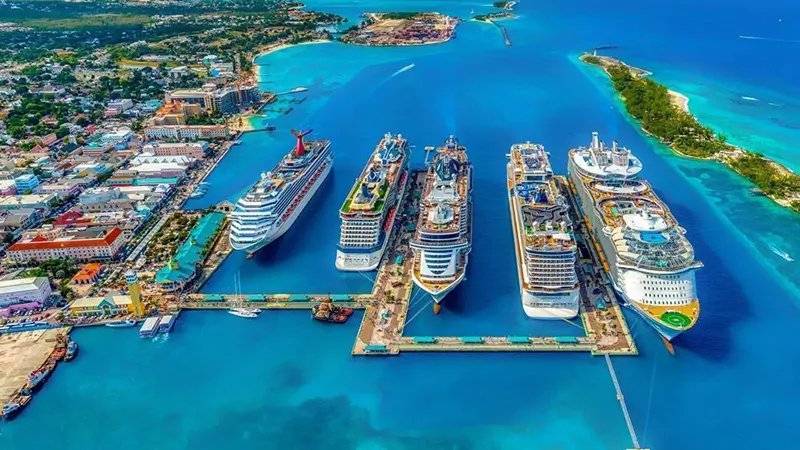
A recent study by the Cruise Lines International Association (CLIA) reveals a monumental impact of the cruising industry on the global economy, showcasing significant job creation and contribution to GDP. With an impressive 1.6 million incremental jobs generated, the industry demonstrates its role as a vital economic driver.
Economic Contribution of the Cruising Industry
The cruising sector is not only flourishing, but it also plays a pivotal role in strengthening economic frameworks worldwide. According to the CLIA report, cruising contributes a staggering $85.6 billion to the global Gross Domestic Product (GDP). This remarkable figure underscores the industry’s resilience and growth trajectory, which is now outpacing that of the broader global economy.
Job Creation and Economic Resilience
The creation of 1.6 million jobs is a noteworthy highlight of the study. These jobs are a reflection of the industry’s extensive supply chain and the diverse roles it encompasses, ranging from hospitality to manufacturing. The cruising industry impacts not just those directly employed by cruise lines but also supports wider tourism-related jobs, ultimately enriching local economies in numerous destinations.
Focus on Global Growth
As the world emerges from challenges posed by recent global events, the cruising industry is positioned for robust growth. The CLIA report indicates an increasing demand for cruise vacations, signaling strong consumer confidence. This resurgence is vital for many economies heavily reliant on tourism.
Benefits to Local Economies
The ripple effect of the cruising industry is particularly evident in port cities and regions that cater to cruise tourist activities. Local businesses, including hotels, restaurants, and retail shops, benefit significantly from the influx of cruise passengers. The synergy between cruising and local tourism underscores the importance of nurturing the industry for sustained economic benefit.
Sustainable Growth and Environmental Considerations
As the cruising industry expands, there is a heightened focus on sustainable practices. Cruise lines are investing in eco-friendly technologies and initiatives aimed at reducing their environmental footprint. This commitment to sustainability aligns with global efforts to promote eco-conscious tourism and responsible travel.
Future Outlook for Cruising
Looking ahead, the future of the cruising industry appears promising. Analysts predict continued growth, driven by innovations in cruise experiences and expanding itineraries. The commitment to enhancing guest experiences while prioritizing sustainability positions the industry favorably in a competitive travel market.
For more information about the economic impact of cruising and its contribution to global GDP, you can visit the Official CLIA Report here.
Conclusion
The CLIA study outlines a compelling narrative of growth and resilience within the cruising industry. With its impressive contribution to global GDP and significant job creation, the industry not only fosters economic stability but also promotes sustainable tourism practices. As the industry continues to evolve, it stands ready to play a crucial role in the recovery and advancement of the global economy. Explore further insights on cruising and its economic significance through resources provided by the CLIA website.