

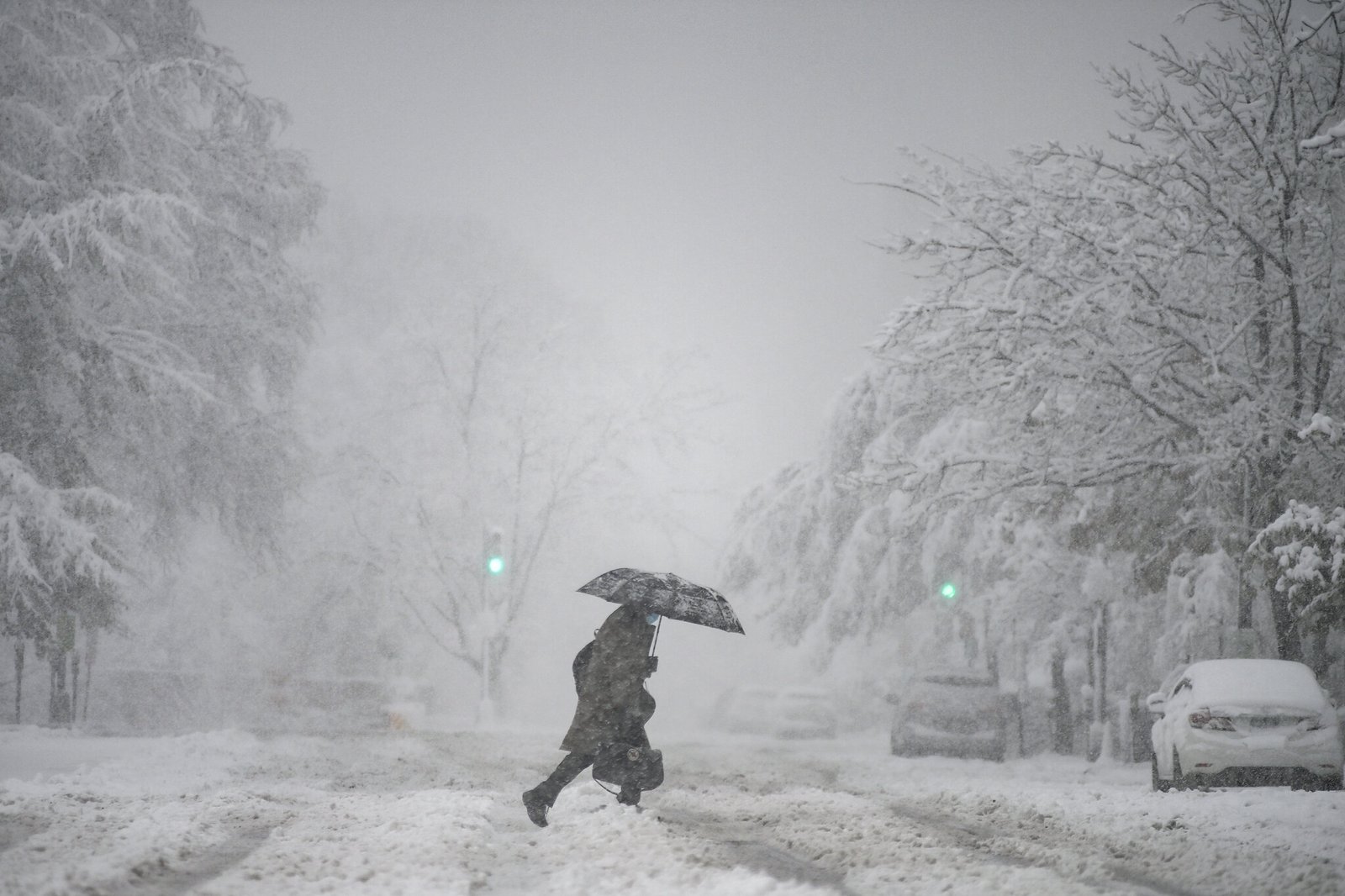
Storm Goretti Unleashes Travel Chaos Across UK and France
A fierce winter storm, Storm Goretti, has wreaked unprecedented havoc across northern France and southern England, triggering massive travel disruptions that have left thousands of travelers stranded and transportation networks in shambles. This powerful Atlantic storm, characterized by hurricane-force winds exceeding 130 mph and treacherous icy conditions, has exposed critical vulnerabilities in European infrastructure while highlighting the growing impact of extreme weather events on modern transportation systems.
The storm’s arrival on Friday brought immediate and devastating consequences, as over 57,000 homes across southwestern England, the Midlands, and Wales were plunged into darkness due to widespread power outages. The situation proved even more catastrophic in France, where Enedis, the national grid operator, reported a staggering 320,000 homes without electricity, with Normandy bearing the brunt of the destruction. As hurricane-force winds swept through the region, power lines collapsed like dominoes, leaving entire communities isolated and facing significant hardships during one of the coldest periods of the year.
Birmingham Airport Closure Triggers Aviation Crisis
The UK aviation sector experienced its most challenging day of the winter season as Birmingham Airport became the epicenter of travel chaos. Runways were completely shut down for over six hours due to dangerous snow accumulation and crosswinds exceeding safe operational limits. The closure affected more than 150 flights, impacting approximately 25,000 passengers who faced cancellations, lengthy delays, and emergency diversions to airports as far away as Manchester and London Gatwick.
Airport authorities implemented emergency protocols rarely seen outside of major security incidents, converting terminal spaces into temporary accommodation areas complete with emergency bedding and food services. The storm exposed critical infrastructure weaknesses, particularly in de-icing capabilities and runway drainage systems that struggled to cope with the rapid accumulation of snow and ice.
British Airways, Ryanair, and easyJet were forced to cancel a combined total of 89 flights, while Lufthansa and Air France diverted 23 incoming international flights to alternative airports. The ripple effects extended far beyond Birmingham, with knock-on delays affecting connections across Europe and creating a domino effect that disrupted travel plans for thousands of passengers attempting to reach destinations from Dublin to Amsterdam.
Railway Networks Paralyzed by Storm Conditions
National Rail reported the most severe train service disruptions in over a decade, with services suspended or severely delayed across England, Scotland, and Wales. The West Coast Main Line, a critical artery connecting London to Scotland, experienced complete suspension of services between Preston and Glasgow for over 12 hours after falling trees blocked multiple sections of track.
CrossCountry services faced particular challenges, with their entire network effectively shut down by mid-afternoon Friday as conditions deteriorated rapidly. Virgin Trains and Northern Rail implemented emergency timetables, operating at less than 30% capacity while prioritizing passenger safety over schedule adherence. The storm’s impact on railway infrastructure proved extensive, with Network Rail reporting over 400 incidents of fallen trees, damaged overhead power lines, and signal failures across the network.
Passengers faced unprecedented disruptions, with some journeys taking up to five times longer than normal. Edinburgh Waverley and Glasgow Central stations transformed into temporary shelters as travelers waited for services to resume, while railway companies activated emergency response teams to provide food, water, and accommodation vouchers for stranded passengers.
Emergency Response and Weather Warnings
The Met Office issued its first red weather warning of the season, signaling life-threatening conditions across southwestern England – the highest alert level in the UK’s weather warning system. This rare designation triggered comprehensive emergency responses from local authorities, emergency services, and transportation operators, highlighting the severity of conditions that meteorologists described as “exceptional and dangerous.”
Emergency services deployed over 200 additional personnel across affected regions, with mountain rescue teams activated to assist stranded motorists on major routes including the M74 in Scotland and the A303 in southern England. More than 250 schools across the UK remained closed for the fifth consecutive day, affecting over 180,000 pupils and creating additional challenges for working parents already struggling with transportation disruptions.
The storm’s ferocity became evident through remarkable wind speed recordings, with coastal areas experiencing sustained winds of 80-90 mph and gusts reaching extraordinary levels. The Isles of Scilly recorded a peak gust of 106 mph, while exposed areas of Cornwall and Devon faced conditions that meteorologists described as “borderline hurricane-force.”
France Battles Unprecedented Storm Impact
Across the English Channel, France confronted equally devastating conditions as Météo-France issued its highest-level orange and red weather warnings for multiple départements. The storm’s impact on French infrastructure proved catastrophic, with the remarkable wind gust of 213 kph (132 mph) recorded at Gatteville-le-Phare representing one of the strongest winds ever measured on French soil.
SNCF, France’s national railway operator, suspended high-speed TGV services on multiple routes for the first time due to weather conditions since 2019. The Paris-London Eurostar service experienced significant delays, with some services cancelled entirely as the storm affected both the French approach to the Channel Tunnel and connecting transportation networks. Regional train services in Normandy, Brittany, and Hauts-de-France faced complete suspension, leaving hundreds of thousands of commuters without alternative transportation options.
French airports, including Charles de Gaulle and Orly, implemented severe weather protocols that resulted in over 300 flight cancellations and diversions. Air France activated its crisis management procedures, rebooking passengers on alternative flights and providing emergency accommodation for those unable to complete their journeys. The storm’s impact extended to France’s extensive motorway network, with several major routes including the A13 and A84 experiencing partial closures due to overturned vehicles and debris.
Economic Impact on Tourism and Business Travel
The storm’s travel disruptions created immediate and significant economic consequences for the tourism and business travel sectors. Hotels across affected regions reported occupancy spikes as stranded travelers sought emergency accommodation, with many properties implementing surge pricing that sparked consumer complaints and regulatory scrutiny.
The timing of Storm Goretti proved particularly damaging for the winter tourism season, occurring during a peak period for ski resorts in the French Alps and Scottish Highlands. Resort operators reported thousands of booking cancellations and faced the dual challenge of guests unable to reach their destinations and existing visitors unable to depart as planned.
Business travel, still recovering from pandemic-related disruptions, suffered another significant blow as corporate travelers found themselves stranded across Europe. Major conferences and business meetings faced widespread cancellations, with some estimates suggesting economic losses exceeding £50 million in the UK alone from cancelled business activities and productivity losses.
The aviation industry, already operating under tight margins, faced substantial financial pressure from the combination of cancelled flights, passenger compensation requirements, and the costs of rebooking and accommodating affected travelers. Airlines activated their force majeure clauses while simultaneously working to minimize passenger impact and maintain customer relationships.
Infrastructure Resilience Under Climate Pressure
Storm Goretti’s devastating impact has intensified discussions about infrastructure resilience and climate adaptation strategies across both the UK and France. Transportation networks designed for historical weather patterns increasingly struggle to cope with the intensity and frequency of extreme weather events, prompting calls for comprehensive infrastructure upgrades and adaptive management strategies.
The storm exposed particular vulnerabilities in electrical grid systems, with both countries’ power networks struggling to maintain stability under extreme wind conditions. The cascading effect of power outages on transportation systems – from railway signaling to airport operations – highlighted the interconnected nature of critical infrastructure and the need for enhanced redundancy and backup systems.
Government officials and industry leaders acknowledged that current infrastructure investment levels may prove insufficient to address the growing challenges posed by climate change. The UK’s Department for Transport indicated that Storm Goretti’s impact would inform ongoing reviews of transportation resilience planning, while French authorities announced accelerated timelines for grid modernization projects.
Expert analysis suggests that transportation systems across Europe require fundamental redesigns to accommodate more frequent extreme weather events. This includes enhanced weather monitoring systems, improved forecasting capabilities, and infrastructure modifications designed to maintain operations under conditions previously considered exceptional.
Passenger Rights and Compensation Challenges
The scale of Storm Goretti’s disruptions created unprecedented challenges for passenger rights enforcement and compensation processing. Under EU regulations, passengers affected by flight cancellations and significant delays remain entitled to compensation, meals, accommodation, and alternative transportation – requirements that stretched airline resources to breaking points.
Railway operators faced similar obligations under national passenger rights frameworks, with Network Rail and SNCF establishing dedicated helplines and processing centers to handle the volume of compensation claims. However, the extraordinary circumstances designation allowed transportation companies to limit certain compensation obligations while maintaining basic care requirements for stranded passengers.
Consumer advocacy groups reported significant challenges in processing the volume of claims generated by the storm, with some passengers facing wait times exceeding several weeks for compensation processing. The situation highlighted ongoing debates about passenger protection standards and the adequacy of current regulatory frameworks for handling mass disruption events.
Recovery Efforts and Operational Restoration
Recovery operations began immediately as storm conditions subsided, with transportation operators implementing comprehensive restoration procedures developed through years of experience with severe weather events. Railway companies deployed specialized recovery trains equipped with cutting equipment to clear fallen trees and debris from tracks, while airports initiated intensive de-icing and debris removal operations.
The restoration process proved complex and time-consuming, requiring careful coordination between multiple agencies and operators. Power restoration remained the critical first step, as transportation systems depend heavily on electrical infrastructure for signaling, communications, and safety systems. Both Enedis in France and UK power operators prioritized transportation-related electrical systems to accelerate operational recovery.
Airport operations gradually resumed with limited capacity as authorities conducted comprehensive safety inspections of runways, terminals, and support facilities. The priority focus remained on safety over speed, with thorough checks of all systems before returning to normal operational status.
Future Preparedness and Adaptation Strategies
Storm Goretti’s impact has catalyzed comprehensive reviews of preparedness strategies across both countries’ transportation sectors. The storm demonstrated that existing contingency planning, while extensive, requires enhancement to address the increasing intensity of extreme weather events predicted under climate change scenarios.
Transportation authorities are developing enhanced early warning systems that integrate meteorological forecasting with operational decision-making processes. These systems aim to provide earlier and more precise predictions of weather-related operational impacts, enabling more effective preventive measures and passenger communication.
Investment priorities are shifting toward climate-resilient infrastructure designs that can maintain operations under more extreme conditions. This includes enhanced drainage systems for airports and railways, improved power grid resilience, and redundant communication systems that can function during widespread outages.
Looking Ahead: Building Transportation Resilience
As recovery efforts continue and normal operations gradually resume, Storm Goretti serves as a stark reminder of the vulnerability of modern transportation systems to extreme weather events. The storm’s massive travel disruptions across the UK and France have fundamentally altered discussions about infrastructure investment priorities and climate adaptation strategies.
The transportation sector faces the dual challenge of recovering from immediate storm impacts while simultaneously preparing for increasingly frequent and intense weather events. This requires sustained investment in resilient infrastructure, enhanced emergency response capabilities, and adaptive management strategies that can evolve with changing climate conditions.
For travelers, Storm Goretti’s legacy will likely include enhanced weather-related travel insurance options, improved real-time communication systems, and more robust passenger protection frameworks. The storm has demonstrated that extreme weather is no longer an exceptional circumstance but rather a regular challenge that modern transportation systems must be designed to handle effectively.
The lessons learned from Storm Goretti’s travel disruptions will shape transportation policy and infrastructure development for years to come, as authorities work to build systems capable of maintaining reliable service even under the most challenging weather conditions that climate change may bring.